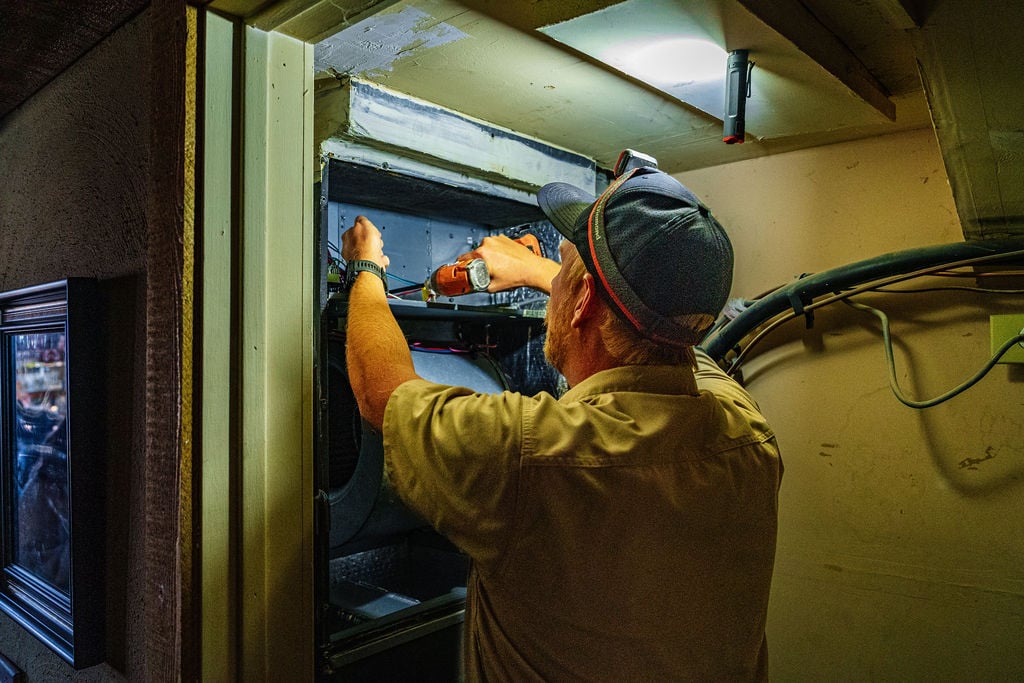
Your AC is running but the house is not getting cold. In Scottsdale, that is not just uncomfortable. In July, it is a real problem.
This guide covers the most common reasons an AC stops cooling and tells you which ones you can fix yourself and which ones need a technician.
Key Takeaways
- A dirty filter, wrong thermostat setting, or blocked outdoor unit can often be fixed in minutes.
- Low refrigerant, a frozen evaporator coil, and a bad compressor always need a pro.
- Arizona heat pushes AC systems harder than most climates. Small problems become big ones fast.
- If your system is running but not cooling, start with the simple checks before calling for service.
Common Causes of AC Not Cooling Properly
1. Thermostat Settings
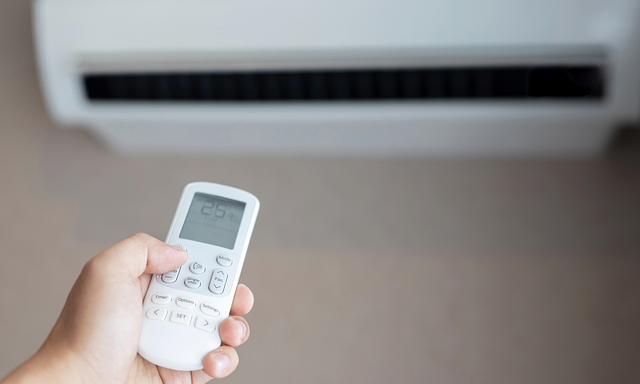
It sounds obvious, but this is one of the most common causes. Check that the thermostat is set to COOL, not HEAT or FAN ONLY. Confirm the target temperature is actually lower than the current room temperature.
If someone adjusted the thermostat or a battery died, the system may have switched modes without you noticing.
2. Dirty Air Filter
A clogged filter blocks airflow through the system. When airflow drops, the evaporator coil cannot absorb heat properly. The result is warm air coming from your vents, or worse, a frozen coil.
In Arizona, filters get dirty faster because of dust and monsoon season. Check your filter monthly. Replace it every 1 to 2 months during the cooling season.
Pull the filter out and hold it up to light. If you cannot see through it, replace it now.
3. Tripped Circuit Breaker
Your AC has two circuits: one for the indoor air handler and one for the outdoor unit. If the outdoor unit breaker trips, the blower may still run but the system will not cool.
Go to your electrical panel and look for any breakers in the middle position or flipped to OFF. Reset them by switching fully OFF first, then back ON. If the breaker trips again, stop and call a technician. A breaker that keeps tripping is a sign of a bigger problem.
4. Blocked Outdoor Condenser Unit
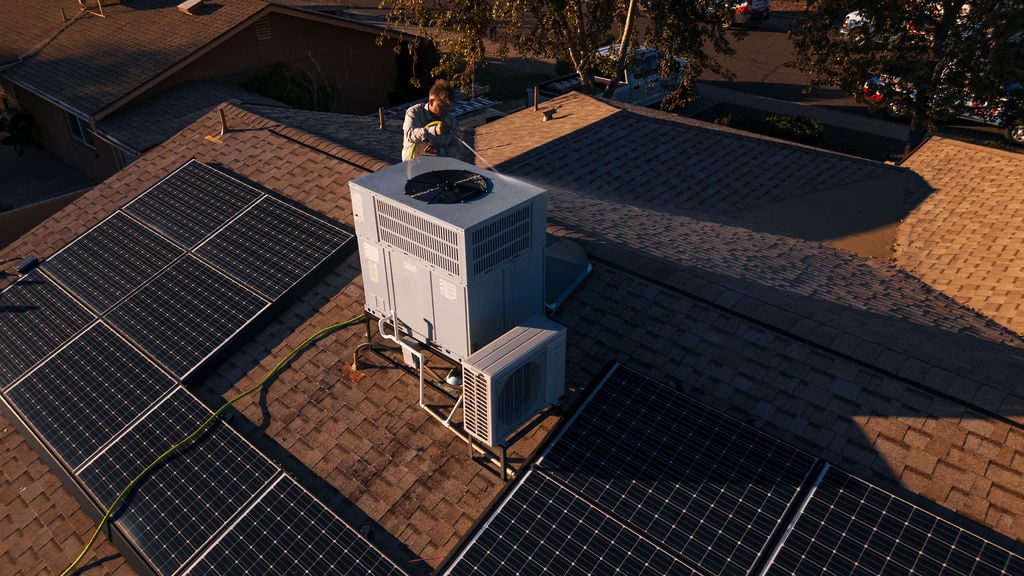
The outdoor unit needs airflow to release heat. If it is surrounded by debris, overgrown shrubs, or has a dirty coil, it cannot do its job.
Check for leaves, dirt, or anything within 2 feet of the unit. Turn the system off and gently rinse the coil fins with a garden hose from the inside out. Do not use a pressure washer.
Deeper Issues Affecting AC Cooling
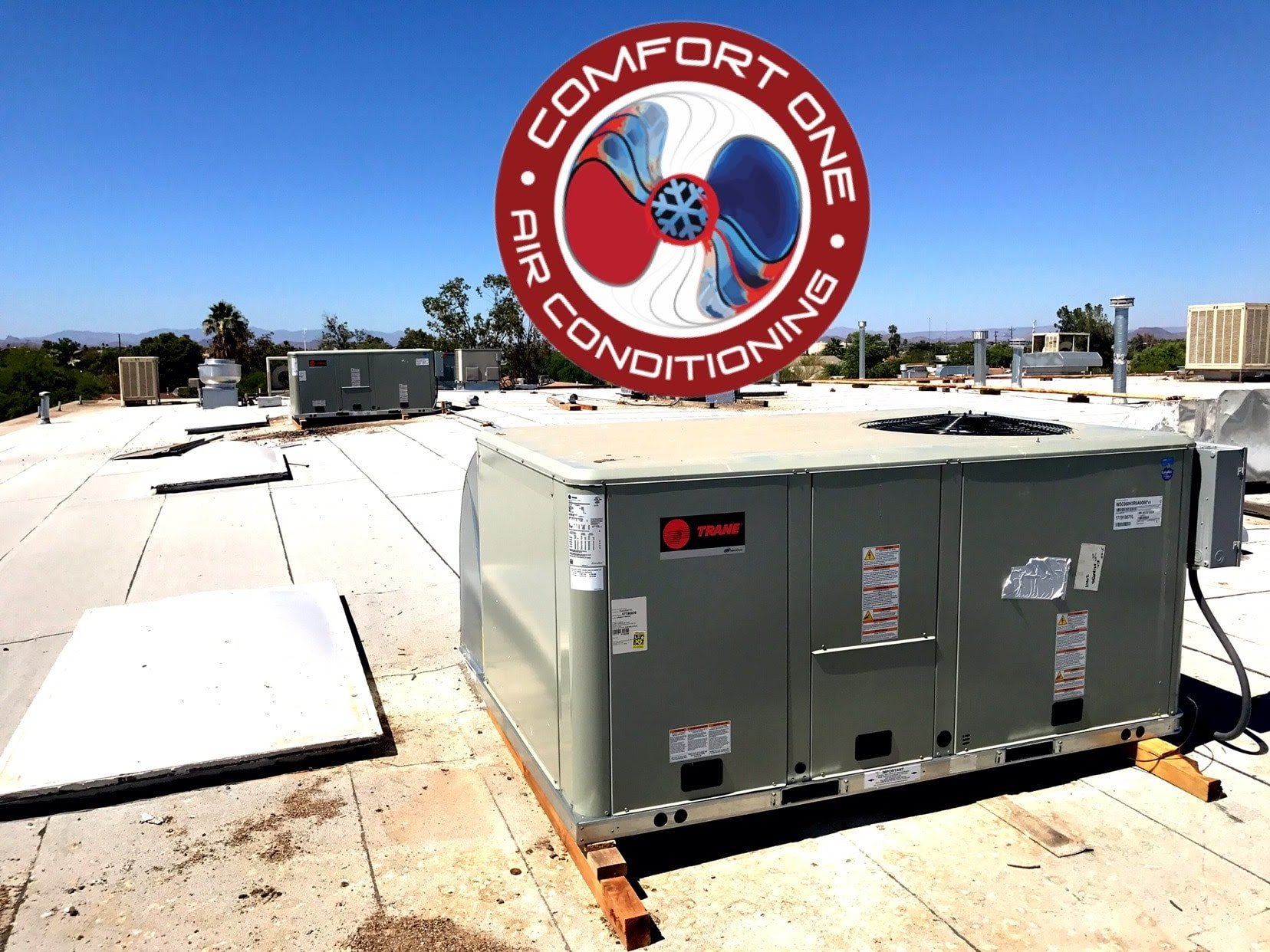
While common issues are often easy to fix, sometimes the problem lies deeper within the AC system. More complex issues can involve mechanical failures or significant component malfunctions that hinder the cooling process.
These deeper issues may require a professional HVAC technician to diagnose and repair effectively. Recognizing these potential problems helps you know when to call in the pros.
Refrigerant Leaks
Refrigerant is critical for the cooling process, as it flows through the coils and draws heat and humidity from indoors. Low refrigerant levels, often caused by a leak, prevent effective heat transfer, decreasing cooling efficiency.
If you suspect a refrigerant leak, contact a professional HVAC technician immediately. Delaying the resolution can lead to higher energy bills and additional system issues.
Frozen Evaporator Coil
A frozen evaporator coil is a clear sign that the cooling process is impeded. You might notice frost forming on the evaporator coils and a lack of cool air. These issues are often due to inadequate airflow, commonly caused by a dirty air filter or refrigerant leak.
A professional HVAC technician should handle a frozen evaporator coil to accurately diagnose and fix the underlying problems.
Faulty Compressor
The compressor is the heart of your AC system, responsible for pressurizing the refrigerant and circulating it through the system. If your compressor malfunctions, the refrigerant won’t transfer heat, leading to room temperature air. Signs of a faulty compressor include the system running but not cooling, strange noises, or failure to start.
Professional repair restores proper function and prevents further damage.
DIY Troubleshooting Tips for AC Cooling Issues
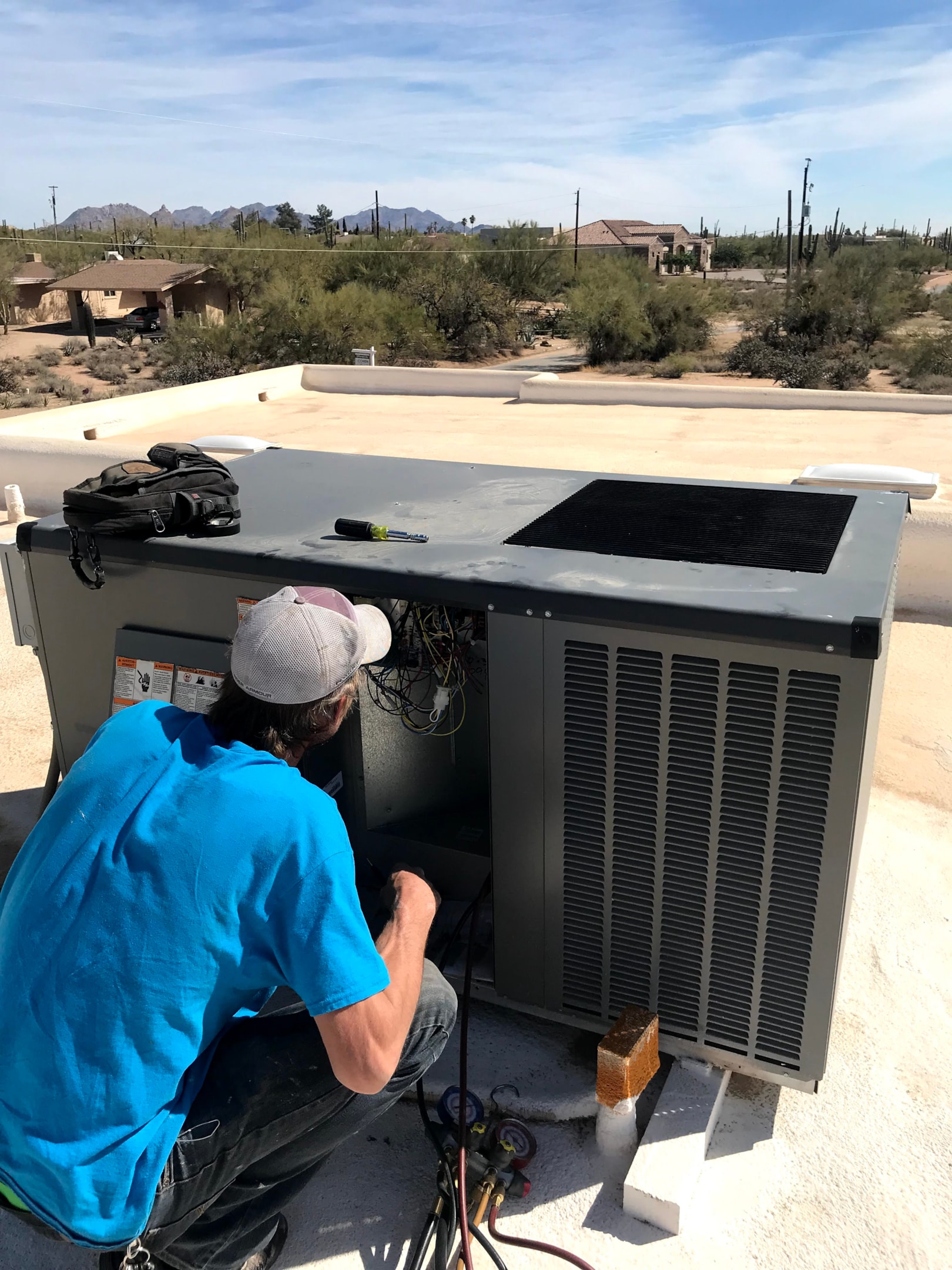
Before calling a professional, there are several DIY troubleshooting steps you can take to resolve common AC cooling issues. These simple checks and fixes can often restore your AC’s performance and save you from unnecessary repair costs.
Confirm the thermostat is set correctly, the air filter is clean, and the outdoor unit is free of debris. These basic steps can significantly improve the efficiency of your air conditioning system.
Check and Reset Circuit Breakers
One of the first things to check if your AC is not cooling is the circuit breaker. Ensure all circuit breakers for the indoor and outdoor units are set correctly.
If the disconnect power is off, turn it back on.
Inspect and Clean Air Ducts
Inspect accessible ductwork to ensure airflow is not obstructed, allowing the cooling system to operate efficiently. Blocked or leaking air ducts can significantly impair cooling efficiency, leading to higher energy bills and decreased comfort within your home.
Seal any duct leaks with duct tape to maintain optimal airflow and improve your air conditioning system’s cooling efficiency.
Clear Clogged Condensation Drains
Clogged condensation drains cause water buildup and affect your AC’s cooling efficiency. If you notice a clog, use a small screwdriver or a similar tool to clear it. This will help ensure proper functioning. For more stubborn clogs, apply suction using a wet/dry shop vacuum to remove the blockage.
Keeping the condensation drains clear ensures your air conditioning unit cools properly and prevents potential water damage.
When to Call a Professional HVAC Technician
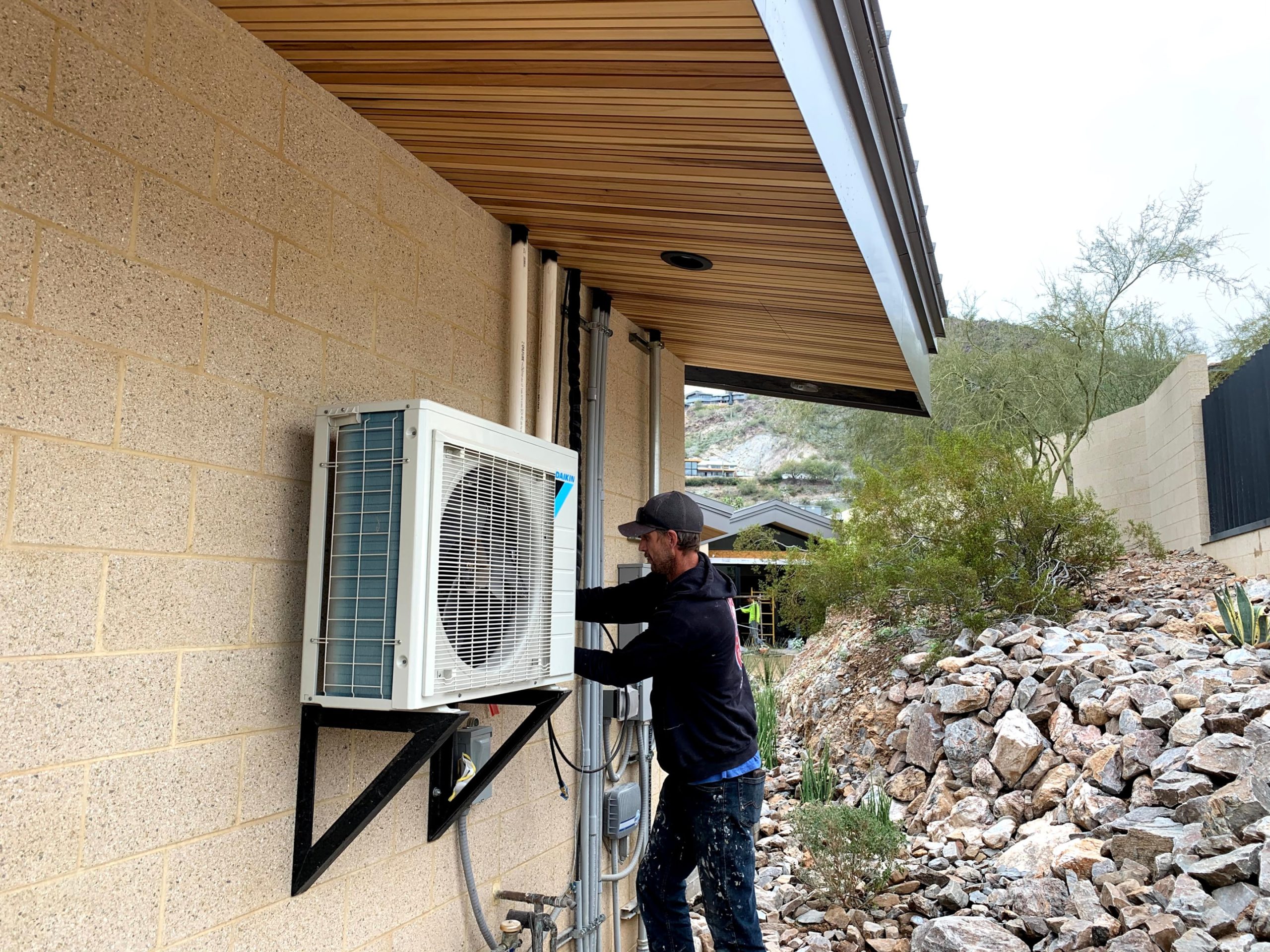
After attempting basic troubleshooting, if your AC is still not cooling, it’s time to call a professional HVAC contractor. Persistent issues or complex problems often need a technician’s intervention. Recognizing when to seek professional help can save you from larger, more costly repairs later.
If you identify a refrigerant leak, a compressor failure, or electrical issues, these should be handled by a qualified HVAC technician.
Persistent Refrigerant Leaks
Certified HVAC technicians should always address refrigerant leaks to ensure proper repair. Comfort One Air Conditioning employs EPA-certified refrigerant handling, ensuring a safe and effective resolution.
Major Component Failures
Failure of critical components like the compressor often requires specialized expertise for repair. Professional intervention restores your AC’s functionality and prevents further damage.
Electrical System Diagnostics
Electrical issues in an AC unit pose safety hazards and should only be handled by professionals. Having trained professionals conduct all electrical system diagnostics ensures the safety and effectiveness of the AC unit.
Comfort One Air Conditioning conducts thorough electrical system diagnostics, ensuring that your ac units run safely and efficiently.
Preventive Maintenance for Optimal AC Performance
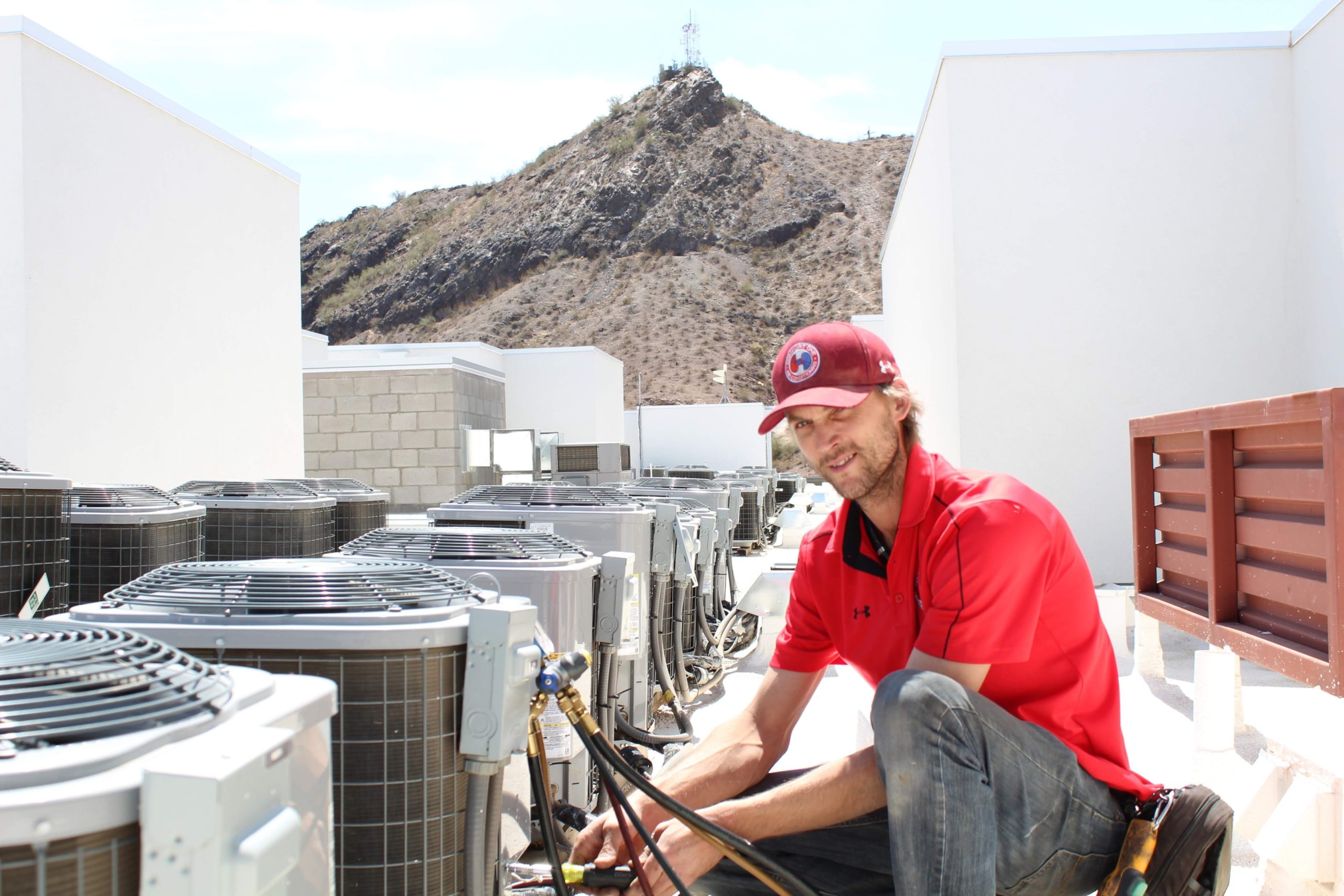
Regular maintenance prevents common issues and ensures proper airflow in air conditioners and air conditioning systems. Scheduling annual tune-ups, regularly replacing air filters, and cleaning coils and condensers are essential to keep your AC running smoothly.
During tune-ups, an HVAC specialist evaluates proper airflow, refrigerant levels, and mechanical components to ensure your system is always in top condition.
Schedule Annual Tune-Ups
Annual AC tune-ups prevent future cooling issues. These tune-ups identify potential problems, perform a full system cleaning, and extend the operating life of the AC unit.
Regular Filter Replacement
Replace air filters every 2-3 months, particularly in homes with pets or high dust levels. Regularly changing air filters maintains good airflow and overall system efficiency in indoor air conditioning units.
Clean Coils and Condensers
Cleaning the evaporator and condenser coils avoids dirt accumulation that can hinder the cooling process. Periodically clear drain channels to prevent clogs that could affect cooling efficiency.
Regular maintenance tasks, like cleaning coils, ensure your air conditioning system effectively cools your house and maintains optimal performance.
Summary
In summary, ensuring your air conditioner is running efficiently involves regular maintenance and addressing common issues like incorrect thermostat settings, dirty air filters, and blocked condenser units. More complex problems like refrigerant leaks, frozen evaporator coils, and faulty compressors require professional intervention.
By following the DIY troubleshooting tips and knowing when to call a professional, you can keep your AC unit in top shape, ensuring a cool and comfortable home all summer long. If you’re still experiencing issues, don’t hesitate to contact a trusted HVAC technician for expert assistance.
Frequently Asked Questions
Why is my AC running but not cooling the house?
The most common causes are a dirty air filter, low refrigerant, a frozen evaporator coil, or a problem with the compressor. Start by checking the filter and thermostat. If those are fine, the issue likely needs a technician.
Why is my AC blowing warm air?
Warm air usually means the system is not moving refrigerant properly. This can be caused by a refrigerant leak, a failed compressor, or a frozen coil. A dirty filter can also cause this by blocking airflow across the evaporator coil.
Can I add refrigerant myself?
No. Refrigerant handling requires EPA certification. More importantly, adding refrigerant without fixing the leak that caused the low level will not solve the problem. A technician needs to locate and repair the leak first.
How much does AC repair cost in Scottsdale?
Common repairs range from $150 to $600 depending on the issue. Refrigerant recharges typically run $250 to $500. Compressor replacement can reach $1,500 or more. Comfort One provides upfront, fixed-price estimates before any work begins.
Should I repair or replace my AC?
If the system is under 10 years old and the repair is under $1,000, repair usually makes sense. If the system is 12 or more years old and facing a major repair like a compressor, replacement is often the better investment. Comfort One offers free estimates for replacement so you can compare both options clearly.
How often should I service my AC in Arizona?
Once a year minimum, ideally in March or April before the summer heat arrives. Arizona systems run harder and longer than most, which means maintenance matters more here than in most states.