Air conditioning isn’t just a luxury; it’s essential for comfort and health, especially when the heat is on. An air conditioning system works by pulling heat from inside your home and releasing it outside, leaving you with cool air and better indoor air quality. The main parts involved include the condenser unit, which contains the outdoor coil (also known as the condenser coil), the indoor unit that houses the evaporator coil, the blower motor, and the air filter. The entire system works together to ensure proper cooling, and issues with any component can affect overall performance. The indoor unit contains the evaporator coil, which is responsible for removing heat and humidity from the air. The evaporator coil absorbs heat energy from the indoor air, while the blower motor circulates the cooled air throughout your home.
Keeping up with regular maintenance is key to making sure your AC System runs at its best. A clogged air filter or dirty outdoor coil can quickly reduce the cool air your system puts out, forcing it to work harder and sometimes causing warm air to come through your vents. This not only lowers efficiency but also raises your energy bills and stresses your equipment.
Key Takeaways
- Before calling a professional, check your thermostat settings, air filter condition, and circuit breakers.
- Dirty air filters and blocked condenser coils are the most common reasons air conditioners stop working properly.
- Refrigerant leaks and frozen evaporator coils need immediate attention to avoid damage.
- Regular maintenance every six months can prevent about 80% of common AC problems during summer.
- If you notice burning smells, electrical sparking, or unusual grinding noises, turn off your AC right away.
There’s nothing worse than a broken air conditioner on a hot day. Whether your AC won’t start, isn’t blowing cold air, or is making strange noises, this guide will help you figure out what’s wrong and when you can fix it yourself versus when you should call a professional.
Nearly 40% of air conditioning failures happen during the hottest months when you need your system the most. Many of these issues come from preventable problems like clogged filters, dirty coils, or simple thermostat glitches. Knowing how your system cools your home and spotting early warning signs can save you money and keep you comfortable.
Common Signs Your AC System Is Not Working
Knowing the early signs of AC trouble helps you catch problems before they get worse. A malfunctioning AC can result from a variety of issues, including electrical faults and component failures. These symptoms often point to specific issues that need different fixes.
Unit Won’t Turn On Despite Proper Settings
If your AC won’t start even though the thermostat is set right and there’s power, the problem is usually electrical. Check your circuit breaker to see if it’s tripped and reset it if needed. A faulty thermostat can also stop the system from kicking on. A malfunctioning thermostat can prevent the system from starting and may require troubleshooting or replacement.
Warm Air Instead of Cool Air
If your AC runs but only blows warm or room-temperature air, a few things could be wrong. The compressor might not be moving refrigerant properly, or you could have a refrigerant leak. Compressor malfunctions are a common cause of HVAC system failures and can significantly impact cooling performance. A clogged condenser coil could also stop heat from leaving your outdoor unit. Check whether the system is cooling properly by comparing the temperature inside to the thermostat setting.
Weak Airflow from Vents
If the blower motor is running but airflow is weak, something’s blocking the air. A clogged air filter is the most common cause, restricting air through the heat exchanger and evaporator coil. Blocked vents or ducts can also cause poor airflow. Issues with the blower motor or damaged ductwork can also reduce circulation. If the system is not cooling properly, it may be due to issues affecting the temperature inside the home.
Unusual Sounds from Indoor or Outdoor Units
Grinding, squealing, or clicking noises usually mean mechanical problems. These could be failing fan motor bearings, loose parts, or compressor issues that need quick attention to avoid costly repairs.
Pre-Troubleshooting Checks
Before jumping into detailed troubleshooting, the first step is to check the thermostat. Ensure your thermostat setting is on “Cool” mode and set to the desired temperature, which should be lower than the current room temperature. Performing thermostat checks is an important part of diagnosing cooling issues, as verifying the correct thermostat setting and adjusting it to your desired temperature can often resolve the problem. Sometimes a quick thermostat reset is all that’s needed.
Next, check your air filter. A dirty or clogged filter restricts airflow and can cause warm air or inefficient cooling. Replace or clean the filter if it looks dirty.
Look at the outdoor condenser unit. Make sure there’s no debris, leaves, or anything blocking airflow. Keep windows and doors closed to prevent warm air from getting in and making your AC work harder.
Here are some troubleshooting tips for homeowners to follow before moving on to more detailed steps, especially if you want help diagnosing common air conditioning problems.
If these checks don’t solve the problem, move on to the more detailed troubleshooting steps.
Immediate Steps When Your AC Stops Working
When your AC suddenly stops, these quick steps can often get it back up and running without a service call.
Check Thermostat Operation
Look at your thermostat display for error messages or low battery warnings. Confirm it’s set to “Cool” and the temperature is at least 5°F below room temperature. Dead batteries or wrong programming are common thermostat issues.
Inspect Electrical Connections
Check your main electrical panel for tripped breakers labeled for your AC. AC units pull a lot of power, and breakers can trip to protect the system. Also, look for emergency shut-off switches near the indoor and outdoor units that might have been turned off accidentally. Buzzing or humming sounds can point to failing capacitors, which often cause the unit not to start or cycle on and off. Don’t forget to check the power switch near your furnace or air handler to make sure it’s on. If your system still won’t power up, check for a blown fuse and replace it with one of the correct amperage if needed.
Examine Air Filter Condition
Take out your air filter and hold it up to the light. You should see light through a clean filter. If it looks dirty or clogged, replace it. A dirty filter restricts airflow and can cause safety shutoffs.
Assess Outdoor Unit Status
Look for debris, damaged wiring, or physical damage on your condenser unit. Clear away leaves and grass clippings within a couple of feet. Listen for strange noises that might indicate mechanical problems needing immediate attention.
Most Common AC Problems and Solutions
Understanding the usual causes of AC failure helps you decide when to DIY and when to call a pro. In addition to common issues like dirty filters or refrigerant leaks, problems with other components, such as the blower motor or condenser coils, can also impact overall system performance. Sizing issues, such as having an AC unit that is too large or too small for your space, can lead to inefficient cooling and frequent breakdowns.
Thermostat Malfunctions
Thermostat issues cause many service calls but often have simple fixes. Replace batteries every 12-18 months for digital thermostats. Clean dust off sensors, especially in older homes. Check wiring connections for corrosion or looseness. Test thermostat accuracy by comparing it with a separate thermometer. If it acts up, reset it to factory settings. Upgrading to a programmable thermostat can improve comfort and save energy.
Dirty or Clogged Air Filter
Air filters protect your system and keep air flowing properly. Replace standard filters every 30-90 days, depending on pets and dust. Consider upgrading to MERV 8-11 filters for better indoor air quality. Clean reusable filters monthly with mild soap and water, letting them dry fully before reinstalling. Dirty filters reduce efficiency by 15-20% and make your blower motor work harder. Never run your system without a filter to avoid damage to expensive parts like evaporator coils.
Blocked Outdoor Condenser Unit
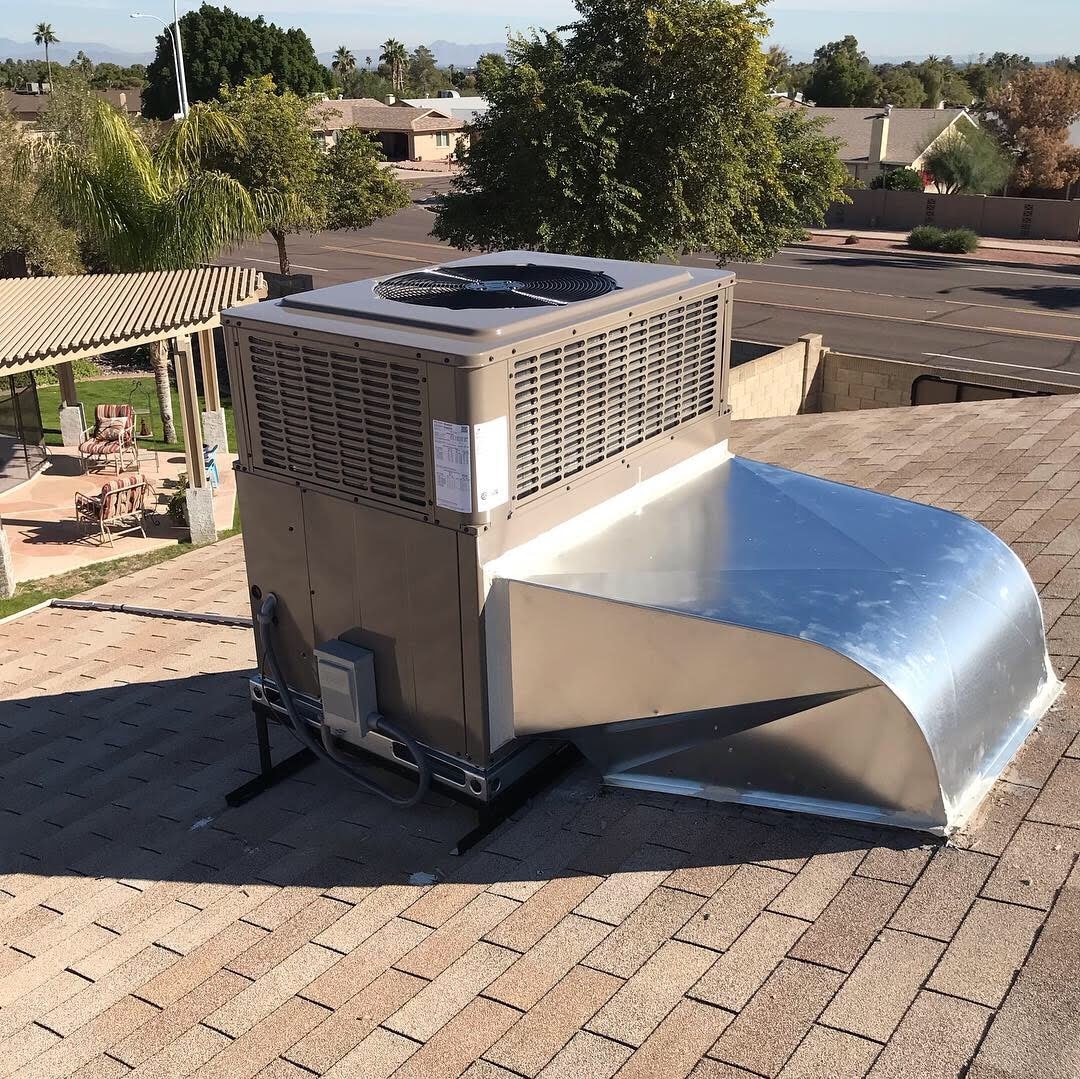
Your outdoor unit needs good airflow to reject heat. Leaves, grass clippings, and debris can block the condenser coil and make your system work harder. Keep at least two feet of clearance around the unit, trim bushes, and clean coils with a garden hose or coil cleaner. Straighten bent fins with a fin comb tool. Check for damaged fan blades or loose bolts that cause noise. Schedule professional coil cleaning yearly before summer.
Electrical Issues
Electrical problems can stop your AC from starting or cause it to run erratically. Reset tripped breakers by switching them off and on again. Replace blown fuses with the correct amperage. Inspect disconnect boxes for loose wires or damage. Look for wiring chewed by rodents or worn from weather. If you’re comfortable, test capacitors with a multimeter since they often fail and prevent compressor startup. Call an electrician if breakers keep tripping or you smell burning.
Drainage and Water Issues
Water problems can sneak up on you. If you notice water pooling around your AC or dripping inside, it might be a clogged drain line or blocked drain pan. These blockages can cause backups, leading to costly repairs and water damage.
Check your drain pan and drain line regularly for clogs or kinks. If you see leaks, turn off your AC and call a professional. Sometimes water issues come from a faulty compressor or refrigerant leak, which need quick attention.
Also, make sure your condenser unit sits level so water doesn’t pool where it shouldn’t. Fixing drainage problems early protects your system and keeps your home safe and comfortable.
Advanced AC Issues Requiring Professional Help
Some problems need a pro with the right tools and experience. For urgent or specialized repairs, it is important to consult an HVAC professional to ensure safety and proper diagnosis. Regular maintenance and complex repairs should be handled by a professional HVAC contractor to maintain system efficiency and safety. A professional technician has the expertise and tools required to diagnose and fix technical or hazardous AC issues. Electrical issues, refrigerant leaks, and system sizing problems should always be handled by a qualified HVAC technician. Trying to fix these yourself can be dangerous and cause more damage.
Refrigerant Leaks
Leaks reduce your system’s ability to cool by letting refrigerant escape. You might see ice on refrigerant lines, less cooling, or hear hissing near coils. Professionals use leak detectors or soap bubble tests to find leaks. Common spots include coil connections and service valves. Handling refrigerants legally requires a licensed technician. Repair costs vary but can be expensive, especially for older systems using outdated refrigerants. Sometimes replacement is a better option.
Frozen Evaporator Coils
Ice on evaporator coils means airflow or refrigerant problems. Ice blocks heat exchange and can shut down your system. Turn off your AC and set the fan to “ON” to help thaw the coils, which can take a day or two. Causes include clogged filters, blocked return vents, low refrigerant, or blower motor issues. A professional diagnosis can prevent repeated freeze-ups and protect your compressor.
Compressor Failure
The compressor is the heart of your AC, moving refrigerant through the system. When it fails, you might hear grinding noises or notice warm air despite the AC running. Overheating can cause cycling on and off. Compressor failure usually means major repair or system replacement. It often results from refrigerant leaks, electrical problems, or lack of maintenance. Replacement costs can be high, so for older units, a new system might make more sense.
System Configuration and Installation Issues
Proper system configuration and installation are the foundation of a reliable air conditioning system. If your AC isn’t cooling properly, the root cause may go beyond simple wear and tear—incorrect installation or poor setup can lead to a host of problems that reduce your system’s efficiency and comfort.
Sizing and Setup MatterChoosing the right size air conditioner for your home’s square footage and local climate is crucial. An undersized unit will struggle to keep up on hot days, while an oversized system may cycle on and off too quickly, failing to remove humidity and causing uneven temperatures. Always consult an HVAC professional to ensure your system is properly sized and configured for optimum cooling capacity.
Airflow and Component PlacementThe cooling process relies on smooth airflow through every part of your AC system. If the air filter is clogged or the blower motor isn’t working efficiently, you’ll notice poor airflow and reduced cool air output. A dirty filter or blocked return vent can force your air conditioner to work harder, increasing energy consumption and potentially leading to costly repairs. Regularly replacing furnace filters and cleaning the dirty blower are simple steps that help maintain proper air flow and indoor air quality.
Critical Role of Key ComponentsThe heat exchanger, evaporator coil, and condenser coils all play vital roles in transferring heat energy from inside your home to the outdoor unit. If any of these components are dirty, blocked, or malfunctioning, your system may blow warm air instead of cold air. A clogged condenser coil or faulty compressor can even cause the entire system to shut down or trigger a safety shutoff. Regular maintenance—including cleaning the condenser coils and checking the power switch and circuit breaker—helps prevent these issues.
Thermostat and Electrical ChecksIncorrect thermostat settings or a malfunctioning thermostat can lead to temperature swings or warm air blowing from your vents. Always check the thermostat to ensure it’s set to “Cool” and at your desired temperature. Electrical issues, such as blown fuses or tripped circuit breakers, can also interrupt cooling operation. If your AC suddenly stops or won’t start, inspect these components before calling for help.
Professional Installation and MaintenanceImproper installation can cause persistent problems, from poor airflow to strange noises and frequent breakdowns. An HVAC technician should always handle major repairs, system sizing, and installation to ensure your air conditioning system operates correctly. Routine inspections by a professional technician can catch issues early, from frozen evaporator coils to compressor malfunctions, helping you avoid major repairs and maintain optimum cooling capacity.
Troubleshooting and PreventionIf you notice your AC running but not cooling, hear unusual sounds, or experience frequent shutoffs, use troubleshooting tips like checking the thermostat, inspecting the air filter, and examining the outdoor unit. For persistent or complex issues, rely on a professional HVAC contractor for expert advice and repairs.
By prioritizing correct system configuration, regular maintenance, and professional installation, you’ll ensure your air conditioner delivers reliable, efficient cool air all season long—while avoiding costly repairs and maximizing indoor comfort.
Preventive Maintenance to Avoid AC Breakdowns
Regular maintenance lowers the chance of breakdowns and extends your system’s life. HVAC pros recommend specific maintenance schedules and a professional AC tune-up checklist to keep your AC running smoothly and avoid costly repairs.
Seasonal Professional Service
A detailed AC tune-up de 21 puntos ayuda a garantizar que todos los componentes críticos funcionen correctamente durante la temporada de mayor calor.
Get a tune-up every April before summer hits. Technicians check electrical connections, safety controls, refrigerant levels, and clean hard-to-reach parts. Catching problems early helps avoid breakdowns during peak season.
Monthly Filter Management
Seguir una frecuencia adecuada para cambiar filtros de aire acondicionado mantiene el flujo de aire y mejora la calidad del aire interior.
Change filters monthly during heavy use from June to September. Homes with pets or lots of dust may need more frequent changes. Keep spare filters handy to avoid running dirty filters.
Outdoor Unit Care
Keep the area around your condenser clean year-round. Trim vegetation and clean supply and return vents quarterly to maintain good airflow. Remove dirt and debris that can block airflow and reduce cooling.
If your system has a pilot light, carefully check and gently blow dust off the pilot light to ensure it functions properly and safely. Use caution around this sensitive component to avoid damage.
System Monitoring
Test your thermostat monthly by adjusting settings and watching system response. Clean condensate drain lines twice a year to prevent water damage. Watch your energy bills for spikes that might signal efficiency problems.
Keep records of filter changes, repairs, and service visits to track your system’s health and help with warranty claims, and consider enrolling in a structured HVAC maintenance plan for optimal performance to keep everything on schedule.
When to Replace vs Repair Your AC System
Deciding whether to repair or replace depends on age, repair costs, efficiency, and reliability.
Age and Repair Cost Analysis
If your system is over 15 years old and needs major repairs, replacement might be the smarter choice. If repair costs are more than half the price of a new system, consider upgrading. Newer systems are more energy-efficient and can save you $200-500 a year on utility bills. If you have a gas furnace, think about its age and condition too when deciding.
Frequency of Breakdowns
If you’re calling for repairs three or more times a year, your system may be nearing the end of its life. The phase-out of R-22 refrigerant also makes older system repairs more expensive. Multiple failures in a short time usually mean replacement is better.
Installation and Incentive Considerations
New system installation usually takes 1-2 days with minimal disruption. Energy rebates and tax credits can offset 10-30% of the cost, making replacement more affordable. Proper sizing based on your home’s square footage and climate ensures better efficiency and comfort. New systems also offer improved indoor air quality and smart features.
Frequently Asked Questions
How long should I wait before calling a technician when my AC stops working?
Try basic troubleshooting first—check thermostat settings, replace the air filter, and reset circuit breakers. If that doesn’t fix it within 2-3 hours, call a professional. During peak summer, expect wait times of 2-3 days. Emergency services are available but cost more.
Is it safe to use portable air conditioners while waiting for AC repair?
Portable units can cool small spaces safely if plugged into a proper outlet. Make sure exhaust hoses vent outside to avoid hot air recirculation. One unit can cool about 400-500 square feet. Avoid running multiple units on the same circuit to prevent overload.
Why does my AC work fine some days but fail on extremely hot days?
Smaller or older systems struggle when outdoor temperatures exceed 95°F for long periods. Components like capacitors and contractors wear out faster under heat stress. Dirty condenser coils reduce heat rejection, making your system work harder on hot days.
Can I perform AC repairs myself to save money?
Simple tasks like changing filters, cleaning vents, and clearing debris are safe DIY jobs. Electrical work and refrigerant handling require licenses and should be left to professionals. Mistakes can void warranties and cause safety hazards, often leading to costlier repairs.
How much should I expect to pay for common AC repairs in 2025?
Diagnostic fees usually run $75-150 and may go toward repair costs. Capacitor replacement costs $150-300. Refrigerant recharge ranges $200-600, depending on system size and refrigerant type. Compressor replacement is $1,500-3,000, making replacement more economical for older units. Maintenance contracts costing $150-300 a year can reduce repair needs and extend system life.
Conclusion and Next Steps
Troubleshooting your air conditioner doesn’t have to be stressful. Starting with simple checks like thermostat settings, air filter condition, and clearing the condenser unit often solves minor problems. Addressing drainage issues quickly helps avoid bigger repairs.
If you’re unsure or your AC keeps struggling, don’t hesitate to call a professional HVAC technician. Regular maintenance, including changing filters and scheduling inspections, is key to better indoor air quality, fewer repairs, and reliable cooling through the heating season and beyond.
By following these steps and prioritizing regular care, you’ll enjoy dependable cool air, improved indoor comfort, and peace of mind all year round.