HVAC stands for heating, ventilation, and air conditioning. It is a system that helps to regulate the temperature, humidity, and air quality in your home or workplace. In this blog post, we will take a deep dive into what HVAC means and why it is important. We will also cover the components of an HVAC system, including air conditioning units, heating systems, and ventilation systems. Additionally, we’ll explain the cooling, heating, and ventilation processes in an HVAC system. Lastly, we’ll discuss the different types of HVAC systems available in the market as well as some popular brands to help you make an informed decision when choosing an HVAC system.
Key Takeaways
- HVAC stands for Heating, Ventilation, and Air Conditioning.
- Your system moves air through your home to heat it, cool it, and filter it.
- There are four main system types: split, hybrid, ductless mini-split, and packaged.
- Regular maintenance keeps your system running efficiently and extends its life.
- In Arizona, your cooling system works harder than almost anywhere else in the country.
Table of Contents
What Does HVAC Stand For?
Each letter in HVAC refers to one function of the system.
H: Heating
The heating component warms your home during cooler months. In Arizona, this is usually a furnace or a heat pump. Furnaces burn natural gas or use electric resistance to generate heat. Heat pumps pull warmth from outside air and bring it indoors.
V: Ventilation
Ventilation is the process of moving air in and out of your home. It controls air quality, removes stale air, and manages humidity. Ventilation happens through your ductwork, return vents, and in some homes, a dedicated fresh air intake.
Without good ventilation, indoor air can become stuffy and full of allergens, dust, and humidity.
A/C: Air Conditioning
The air conditioning component cools your home. It works by pulling heat out of indoor air and releasing it outside. This is why your outdoor unit feels warm when the AC is running. It is not adding cold air. It is removing heat.
Main Components of an HVAC System
Whether you have a furnace, a heat pump, or a standard AC, most home systems share the same core parts.
Thermostat
The thermostat is the brain of your system. It reads the indoor temperature and tells the system when to turn on and off. Smart thermostats can learn your schedule and help reduce energy use.
Air Handler or Furnace
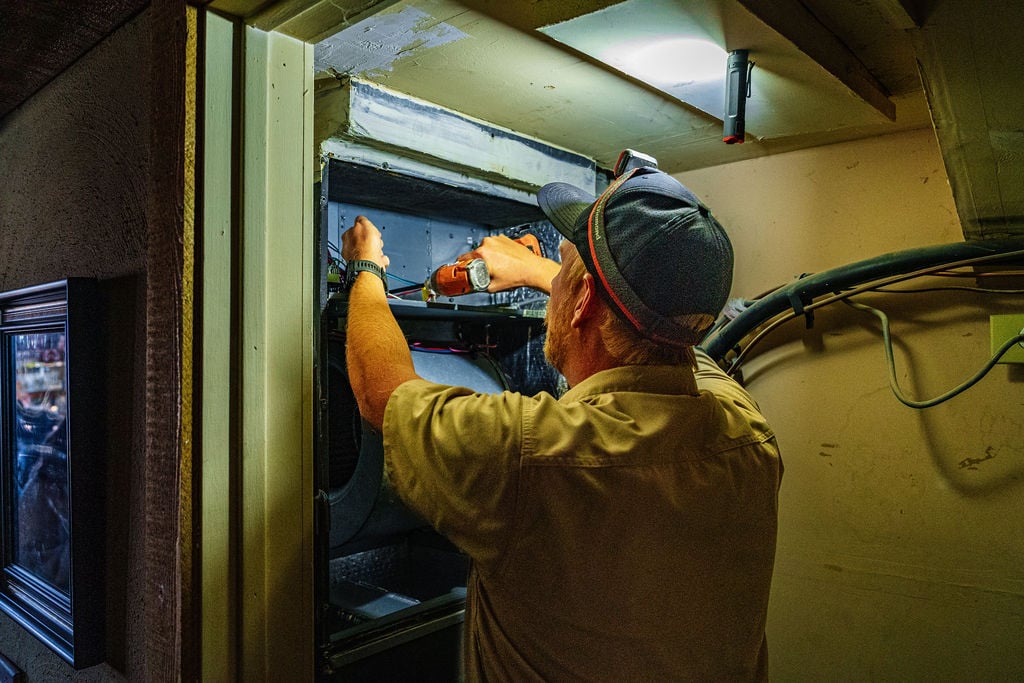
This is the indoor unit. It houses the blower fan that moves air through your home and the evaporator coil that cools or heats the air depending on the season.
Outdoor Condenser Unit
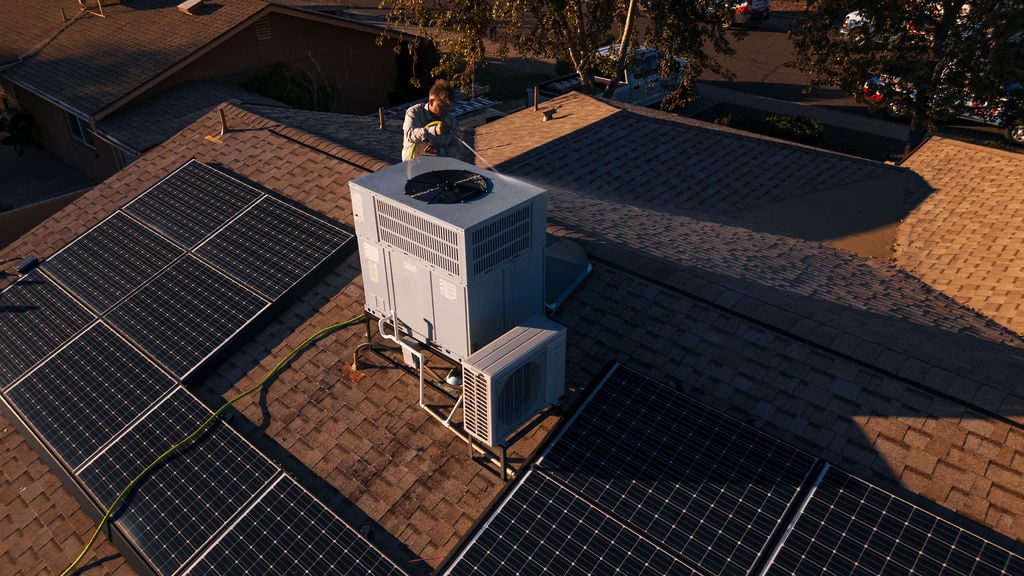
This is the large metal box outside your home. It holds the compressor and condenser coil. It releases heat in cooling mode and absorbs heat in heating mode (for heat pumps).
Ductwork
Ducts carry conditioned air from the air handler to every room in your home. Return ducts bring air back to be filtered and reconditioned. Leaky or undersized ducts are one of the most common causes of uneven temperatures in Scottsdale homes.
Air Filter
The filter catches dust, pollen, and other particles before they pass through the system. A clogged filter restricts airflow and forces your system to work harder. Filters should be changed every 1 to 3 months in Arizona due to dust levels.
How Does an HVAC System Work?
Your system follows the same basic cycle whether it is heating or cooling. Here is how each process works.
The Cooling Process
When the thermostat calls for cooling, the system pulls warm air from your home through the return vents. That air passes through the filter and across the evaporator coil. The refrigerant inside the coil absorbs the heat from the air, which cools it down.
The now-warm refrigerant travels to the outdoor unit, where the compressor pressurizes it and the condenser coil releases the heat outside. The cooled air is pushed back into your home through the supply vents.
This cycle repeats until the thermostat reads the desired temperature.
The Heating Process
For a furnace, the system burns fuel or uses electricity to heat an exchanger. The blower fan pushes air over that exchanger and through your ductwork.
For a heat pump, the process reverses. The system extracts heat from outdoor air, even in cool weather, and moves it inside. Heat pumps are highly efficient in mild to moderate cold. In Arizona winters, they work well.
The Ventilation Process
Ventilation moves air continuously through the system. Return vents pull stale air back. The filter cleans it. The air handler conditions it. Supply vents push it back into each room.
Some homes also have an energy recovery ventilator (ERV) or fresh air intake to bring in outside air while managing humidity and temperature.
Types of HVAC Systems
There are four main types of residential HVAC systems. The right choice depends on your home’s layout, existing ductwork, and budget.
Split System
The most common setup in Scottsdale. The system has a separate indoor unit (air handler or furnace) and an outdoor unit (condenser). Ductwork connects both to every room. Split systems offer reliable performance and are well-suited for most Arizona homes.
Hybrid Heat Pump System
A hybrid system pairs a heat pump with a gas furnace. The heat pump handles cooling and mild heating. The furnace takes over when temperatures drop and the heat pump becomes less efficient. This setup can lower energy bills in areas with cold winters.
Ductless Mini-Split System
Mini-splits have no ductwork. An outdoor compressor connects to one or more indoor wall units. Each unit cools or heats its own zone independently. They are popular in Scottsdale casitas, garages, room additions, and older homes without existing ducts.
Packaged System
All components are housed in a single outdoor unit. A packaged system connects directly to your home’s ductwork. These are common on flat-roof homes and commercial buildings. They save indoor space and can be easier to service.
HVAC Systems in Arizona: What You Should Know
Arizona puts more stress on HVAC systems than most states. Summer temperatures in Scottsdale regularly exceed 110 degrees. Your cooling system can run 8 to 12 hours per day from May through September.
That kind of workload makes three things more important here than elsewhere:
Quality equipment. High-efficiency systems (16 SEER2 and above) cost more upfront but pay back through lower utility bills over time.
Proper installation. A system that is the wrong size or poorly installed will struggle to keep up. It will also wear out faster.
Regular maintenance. Dirty coils, low refrigerant, and clogged filters hit harder in extreme heat. A pre-season tune-up catches these issues before they become failures.
Frequently Asked Questions
Why is HVAC so expensive?
HVAC systems can be expensive due to the high cost of equipment, installation, and maintenance. Skilled labor is required for proper installation and ongoing upkeep. Additionally, energy consumption adds to the overall expenses. However, investing in a high-quality HVAC system can lead to long-term savings through improved energy efficiency and reduced repair costs.
What are the four 4 main types of HVAC systems?
The four main types of HVAC systems are split systems, hybrid systems, duct-free systems, and packaged heating and air systems. Split systems consist of an outdoor unit with a compressor and an indoor unit with a fan. Hybrid systems combine electric and gas heating for energy efficiency. Duct-free systems use individual units for each room and do not require ductwork, making them a unique type of HVAC system.
How does a basic HVAC system work?
A basic HVAC system operates by heating the air with a furnace and sending it through ductwork to the vents. The air conditioner cools and dehumidifies the air before distributing it through the same ductwork. A thermostat controls both components to maintain a comfortable temperature.
What is the difference of AC and HVAC?
AC and HVAC are two terms used in the field of climate control. AC stands for air conditioning, while HVAC stands for heating, ventilation, and air conditioning. While both systems regulate temperature, humidity, and air quality, HVAC is more comprehensive and can cover an entire building.
Why are HVAC techs so expensive?
HVAC technicians are highly skilled professionals with specialized knowledge. The cost of their services can vary depending on the complexity of the job and the need for regular maintenance to ensure efficiency and safety. While HVAC services may seem expensive, investing in quality service can prevent costly breakdowns in the long run.
How much is a standard HVAC unit?
The cost of a standard HVAC unit can vary based on factors such as size, efficiency, and brand. On average, basic HVAC unit installation ranges from $3,000 to $7,000. However, more advanced systems or larger homes may require higher-priced units. It’s important to get multiple quotes before making a decision.
Which AC brand lasts the longest?
When it comes to the lifespan of an AC system, factors like maintenance and usage play a crucial role. Trane, Carrier, and Lennox are known for their durability. However, it’s essential to consider energy efficiency and cost as well. Regular maintenance can extend the life of your AC system, regardless of the brand.
Additional information:
https://www.energy.gov/energysaver/heat-pump-systems
https://www.energy.gov/energysaver/heat-pump-systems/ductless-mini-split-heat-pumps
https://www.energy.gov/energysaver/ductless-mini-split-air-conditioners
https://www.ashrae.org/technical-resources/ashrae-handbook/ashrae-handbook-online
https://www.ashrae.org/technical-resources/free-resources/10-tips-for-home-indoor-air-quality